


How off-grid power systems are transforming lives
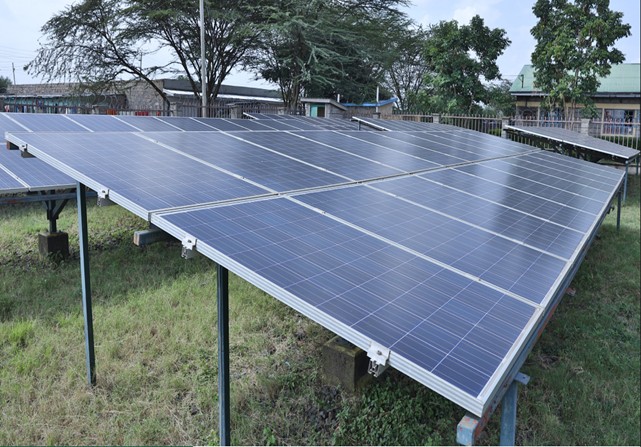
To ensure that no Kenyan is left behind in the quest for universal access to electricity, the Government of Kenya, with the support of the World Bank, is implementing the Kenya Off-Grid Solar Access Project (KOSAP). The Project aims to improve access to modern energy in 14 underserved counties namely West Pokot, Turkana, Marsabit, Samburu, Isiolo, Mandera, Wajir, Garissa, Tana River, Lamu, Kilifi, Kwale, Taita Taveta, and Narok.
Beneficiary counties are West Pokot, Turkana, Marsabit, Samburu, Isiolo, Mandera, Wajir, Garissa, Tana River, Lamu, Kilifi, Kwale, Taita Taveta, and Narok.
As outlined in the Kenya National Electrification Strategy, solar power was identified as the most cost-effective way of reaching Revenue Allocation (CRA). The total coverage area constitutes about 70% of Kenya’s land mass, making the cost of grid extension prohibitive.
While the populations that are settled close together will be provided with lighting through mini-grids, KOSAP has adopted an innovative Results-Based Financing (RBF) initiative for the larger dispersed populations. The arrangement provides incentives to companies that sell solar power systems to set up businesses in underserved counties. Ordinarily, these companies often avoid such markets, deeming them challenging, given the vast terrain and a poor communication network.
Once companies make sales, the verification is done by an independent verification agent. Through this initiative, 153,000 solar systems have been sold, connecting about 800,000 people to electricity.